Describe it once
You share the symptoms—stuck door, loud rollers, or an opener not closing—and we connect you with a contractor who handles this kind of repair.
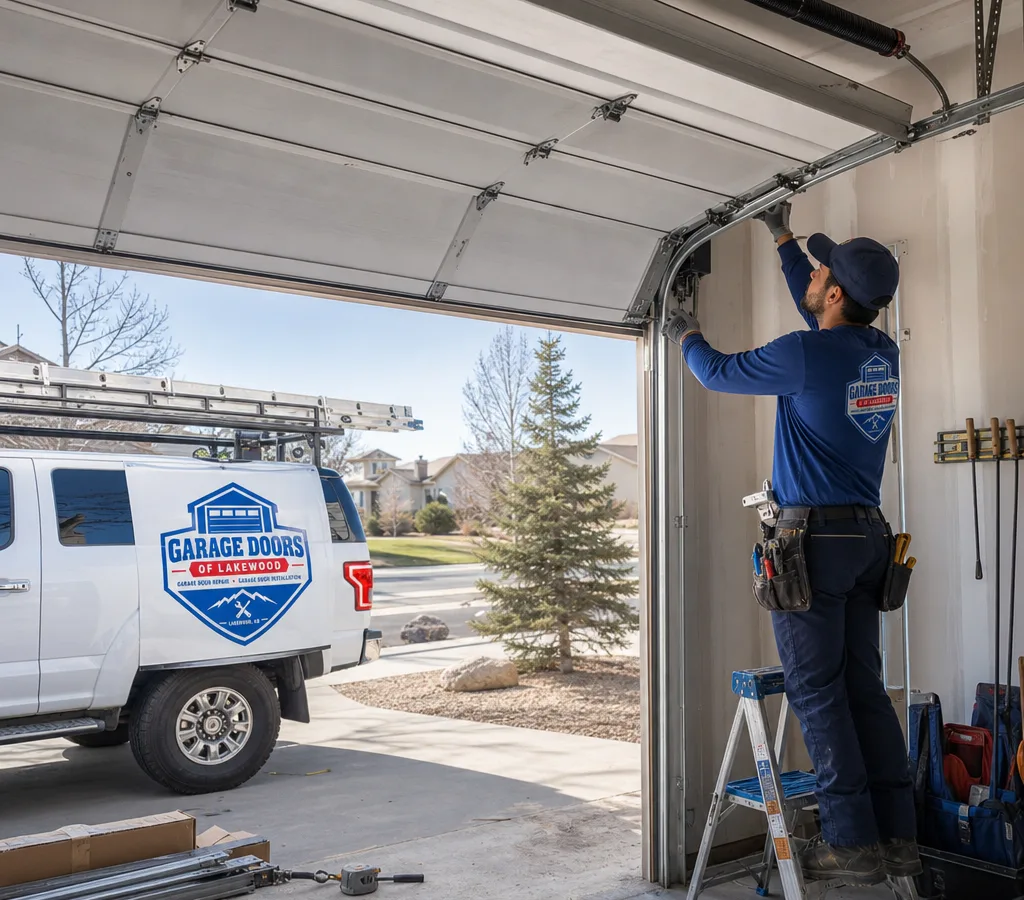
Describe what the door is doing once, and we'll connect you with a local contractor who handles garage door repair in the Lakewood and Wheat Ridge area.
CALL NOW: (983) 212-2330Door and opener diagnosis
If you're searching for Garage Door Repair Wheat Ridge, you're usually dealing with one of three problems: the door won't move, it moves but sounds rough, or the opener runs and the door doesn't cooperate. The right fix depends on what's failing, and a good contractor starts with a few quick checks that narrow it down.
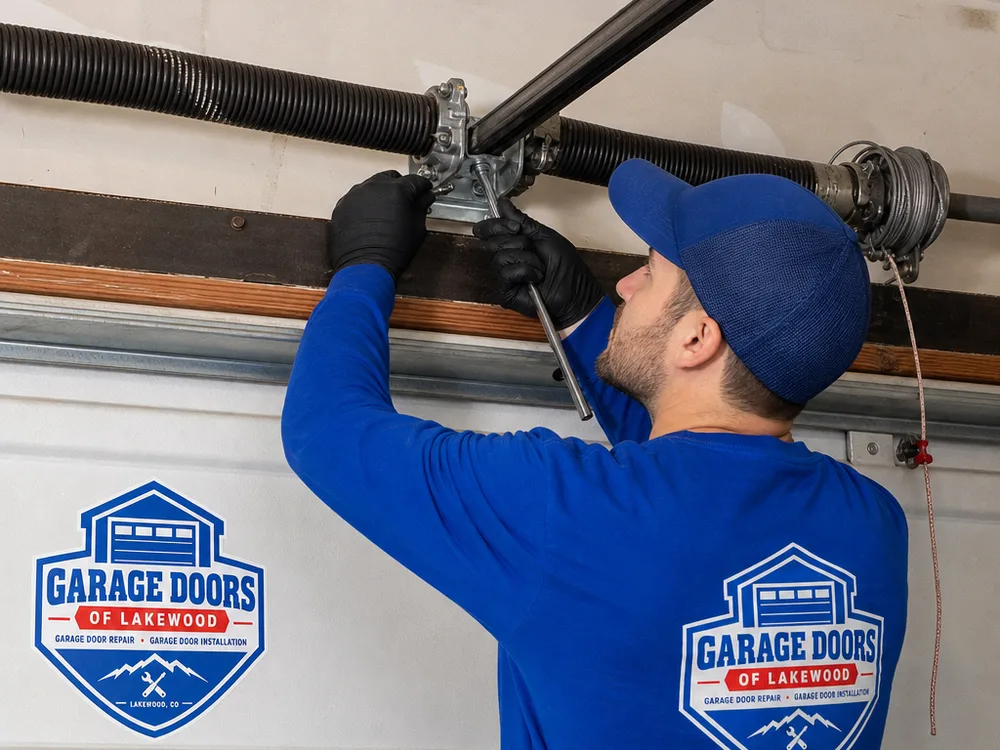
Most service calls begin with safety and balance. With the opener disconnected, the door should lift smoothly and stay in place when set about halfway open. A door that drops, feels extremely heavy, or won't budge often points to a spring or cable issue. Springs and lift cables hold a lot of stored energy, so contractors treat this as a controlled repair, not a trial-and-error adjustment.
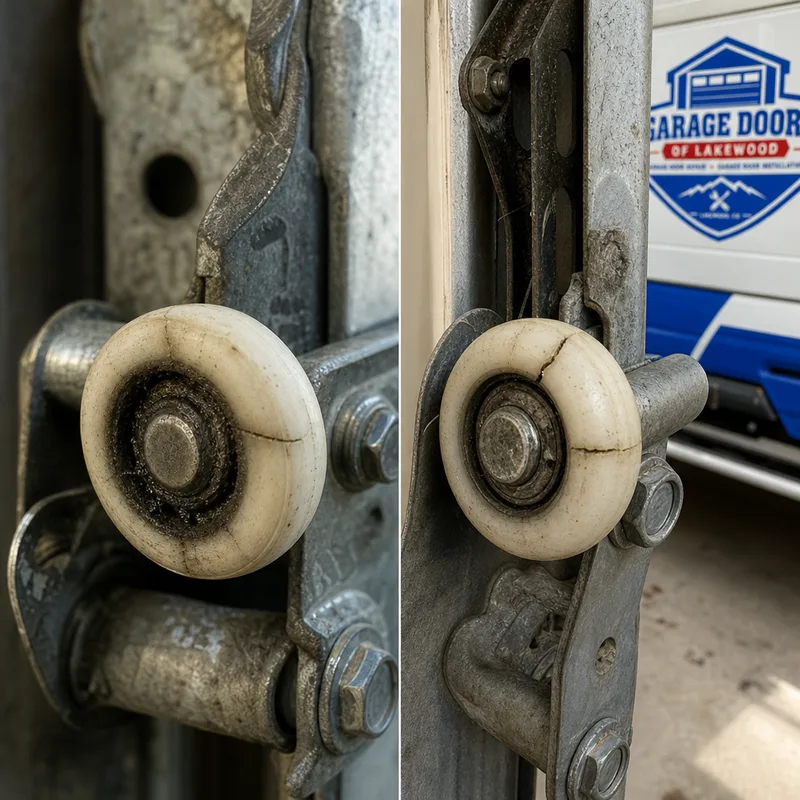
Next is the path the door travels. Tracks get bumped, rollers wear, and hinges loosen. Even a small track misalignment can create binding, popping sounds, or a door that stops short and reverses. Contractors look for bent track sections, loose lag screws into framing, worn rollers, and a door that rubs a jamb or header.
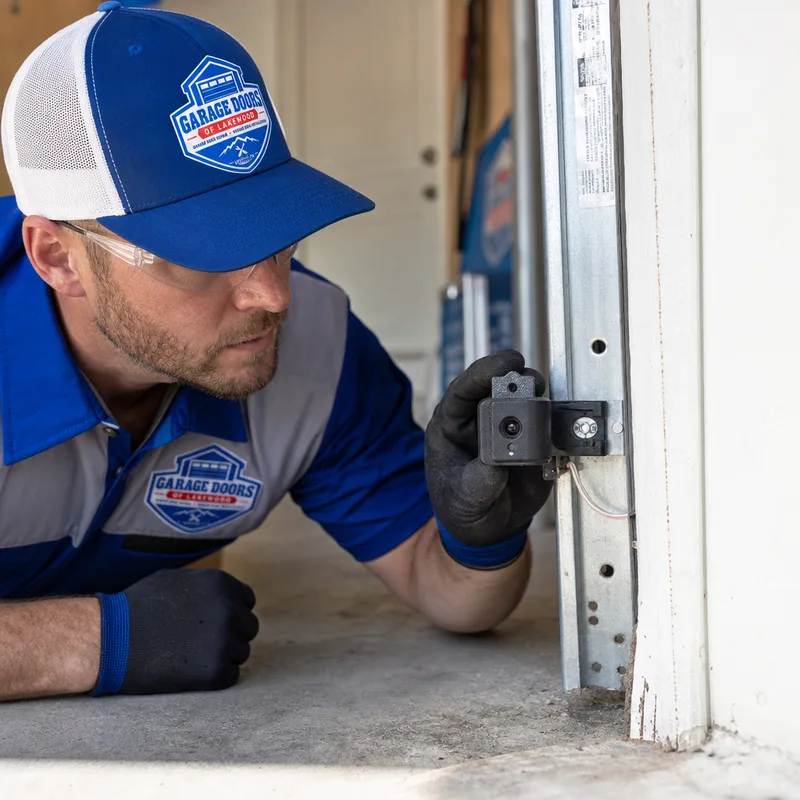
Then there's the opener system. If the motor runs but the door doesn't move, the issue may be the trolley, a stripped gear, a broken chain or belt, or a disengaged carriage. If the door reverses, stalls, or won't close all the way, the contractor typically checks force and travel settings, sensor alignment—the photo eyes near the floor—and the condition of the door itself. A door that's out of balance can make an opener seem bad when it's actually doing its job by stopping.
Because a garage door is a moving, counterbalanced system, the best outcome usually comes from diagnosing the whole assembly: springs, cables, drums, bearings, rollers, hinges, track, and opener operation together. That approach helps avoid fixing one symptom while another worn part is waiting to fail.
When you call Garage Doors of Lakewood, you're not booking a crew. You're describing what's happening, and we connect you with a local contractor who can evaluate the system and tell you the repair options.
One call simplifies the next step
You share the symptoms—stuck door, loud rollers, or an opener not closing—and we connect you with a contractor who handles this kind of repair.
We connect homeowners in Lakewood and nearby Wheat Ridge with independent contractors who work in this area, so you're not routed to someone far away.
The contractor can explain what they found, what parts are involved, and what needs to happen next before any work moves forward.
You speak directly with the contractor, ask questions, and decide whether to proceed after you hear the approach.
A garage door that won't close affects daily routines and home security. Calling connects you to someone who can take the repair from diagnosis to completion.
From symptoms to repair options
Share the basics: door won't open, door won't close, loud grinding, uneven movement, or the opener runs without lifting the door.
We connect you with an independent garage door contractor who serves the Lakewood and Wheat Ridge area and takes on this type of repair.
The contractor inspects the system, explains the likely cause and repair paths, and you choose what you want to do next.
If your garage door is stuck, noisy, or reversing, describe the symptoms once and get connected with a local contractor who can inspect the full door-and-opener system.
CALL NOW: (983) 212-2330Work and material details
Questions before you call
A door that suddenly feels very heavy often points to a spring or lift system problem, such as a broken torsion spring or an issue with cables and drums. The opener may still run, but it's not designed to lift the full weight of the door by itself, so continuing to try can damage the opener. When you call, mention whether you heard a bang from the garage and whether the door is sitting unevenly at the bottom.
It can be either, and a quick inspection usually separates the two: a disengaged trolley, a broken chain or belt, a stripped gear inside the opener, or a door that's jammed in the track can all look similar at first. A contractor typically checks the disconnect position, the trolley engagement, the door's balance, and whether the door moves by hand before recommending a repair path.
Reversing is commonly caused by a safety sensor issue, resistance in the track, or incorrect travel or force settings on the opener. In homes around Lakewood and Wheat Ridge, sensors are often bumped by storage items or knocked slightly out of line. The contractor will usually check photo-eye alignment and wiring, then look for binding rollers, a track pinch, or a door that's out of balance.
Noise usually comes from worn rollers, dry hinges, loose hardware, or track alignment problems, and sometimes from the opener's drive system. A contractor may recommend replacing worn rollers, tightening hinge and track fasteners, lubricating the correct points with a garage-door-rated lubricant, and correcting track spacing so the door doesn't chatter as it rolls.
Have a few details ready: door type—single or double—whether it's a torsion spring above the door or extension springs along the tracks, and what changed right before the issue started, such as a noise, impact, power outage, or remote failure. If you can do it safely, note whether the photo-eye lights are on and whether the door is crooked at the floor. That information helps the contractor bring the right parts and plan the diagnostic steps.
Sometimes, yes. If the door is balanced and the springs and cables are intact, a contractor may advise using the manual release to operate it by hand. If the door feels unusually heavy, binds, or sits unevenly, stop and leave it closed if possible, because those symptoms can indicate a spring or cable problem.
The contractor can walk you through what's causing the failure and whether the fix is in the door's counterbalance and track components, the opener unit, or a mix of both. Many issues overlap, so it's common to evaluate the full system and then decide what you want repaired now versus what you want to plan for later.
Replacement usually comes up when the door sections are badly damaged, the door is severely out of square, or major components are obsolete and repeatedly failing. A contractor can compare repairability, parts availability, and how the door is performing—balance, travel, and seal at the floor—before you decide. If you're also weighing a different door style or insulation level, mention that on the call so the contractor can discuss options.
Explain what you're seeing and hearing once, and we'll connect you with a local contractor serving Lakewood and Wheat Ridge who can inspect the door and opener and lay out the repair options.